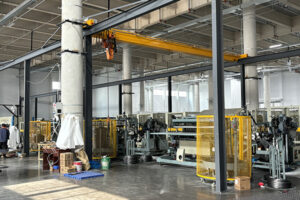
The global demand for high-quality, consistent mattresses has driven the sleep product industry to embrace automation, with automatic mattress making machines emerging as game-changing equipment. These advanced systems have replaced labor-intensive manual processes, addressing key pain points of traditional production—such as inconsistent quality, low throughput, and high operational costs—while meeting the diverse needs of modern consumers.
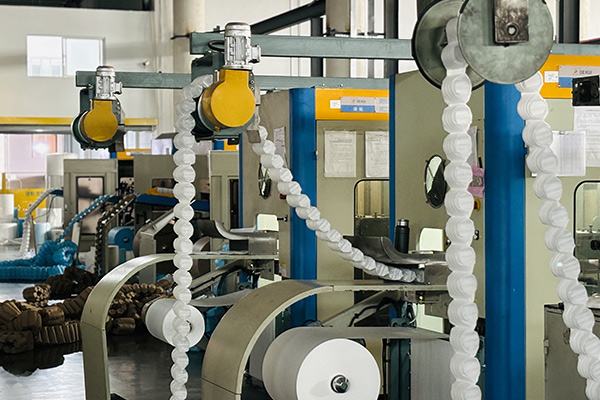
At the core of automatic mattress making machines lies a seamless integration of precision mechanics and smart technology. Key functionalities include automated foam cutting, spring unit assembly, layer lamination, quilting, and edge sealing. Equipped with computer numerical control (CNC) systems, these machines can execute complex production steps with micron-level accuracy, ensuring each mattress meets strict thickness, firmness, and size specifications. For instance, intelligent cutting modules adapt to different foam densities and fabrics, while robotic arms streamline the assembly of pocketed coil springs or memory foam layers, eliminating human error.
The advantages of these machines extend beyond precision. They significantly boost production efficiency, with high-capacity models capable of manufacturing 500 to 1,000 mattresses per day—far exceeding manual output of 50 to 100 units. By reducing reliance on skilled labor, manufacturers cut training costs and minimize workforce shortages. Additionally, the consistency guaranteed by automation enhances brand reputation, as customers receive uniformly high-quality products. Flexibility is another highlight: modular designs allow quick adjustments for custom sizes, materials, or mattress types (e.g., innerspring, hybrid, or latex), catering to personalized consumer demands and niche market segments.
These machines find wide application across large-scale mattress factories, custom sleep solution providers, and hospitality supply chains. They support mass production for retail brands while enabling small-batch, tailored orders for luxury hotels or healthcare facilities. As sustainability becomes a priority, modern models also incorporate energy-saving features, such as low-power consumption motors and waste-reduction systems for foam and fabric, aligning with eco-friendly manufacturing trends.
In an industry evolving toward customization and efficiency, automatic mattress making machines are no longer a luxury but a necessity. They empower manufacturers to scale operations, maintain quality standards, and adapt to market changes swiftly. As technology advances, integration with AI-driven quality control and IoT monitoring will further elevate their performance, solidifying their role as the backbone of the future sleep product manufacturing landscape.